

Sustainability
Sustainability is a way of carefully using resources so that they don’t run out. Many environmental problems, such as climate change, plastic pollution and biodiversity loss are a result of using natural resources unsustainably.
At St Joseph’s we aim to run our school in the most sustainable way we can, working with and educating our pupils on why this is important, what we can do to be more sustainable and how we can reduce our carbon footprint. The teaching of climate change and sustainability is interwoven throughout the curriculum, and pupils of all year groups are taught about what is happening to our planet. Our pupils learn about ways we can all act and change our habits to help protect the world around us.
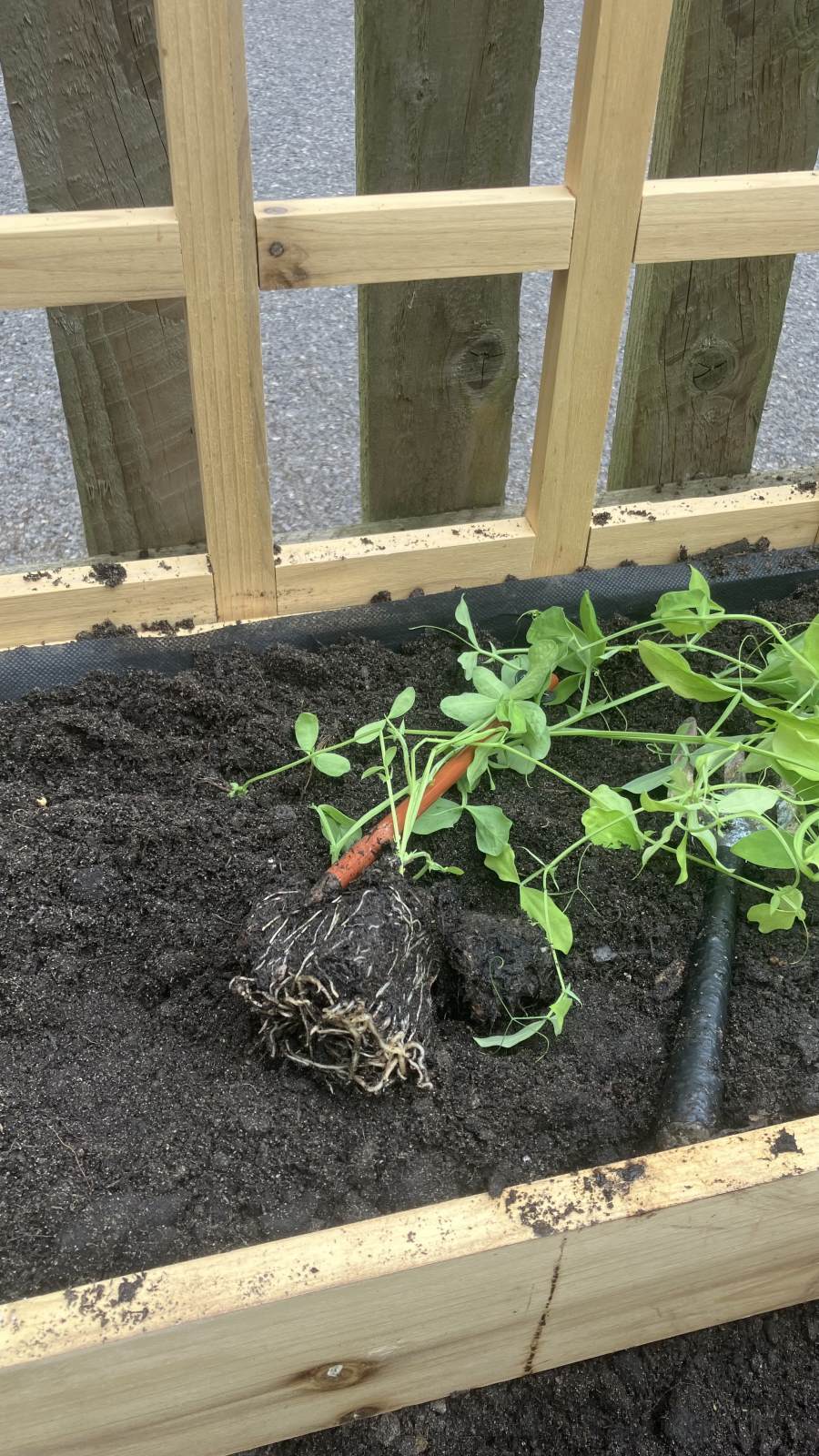
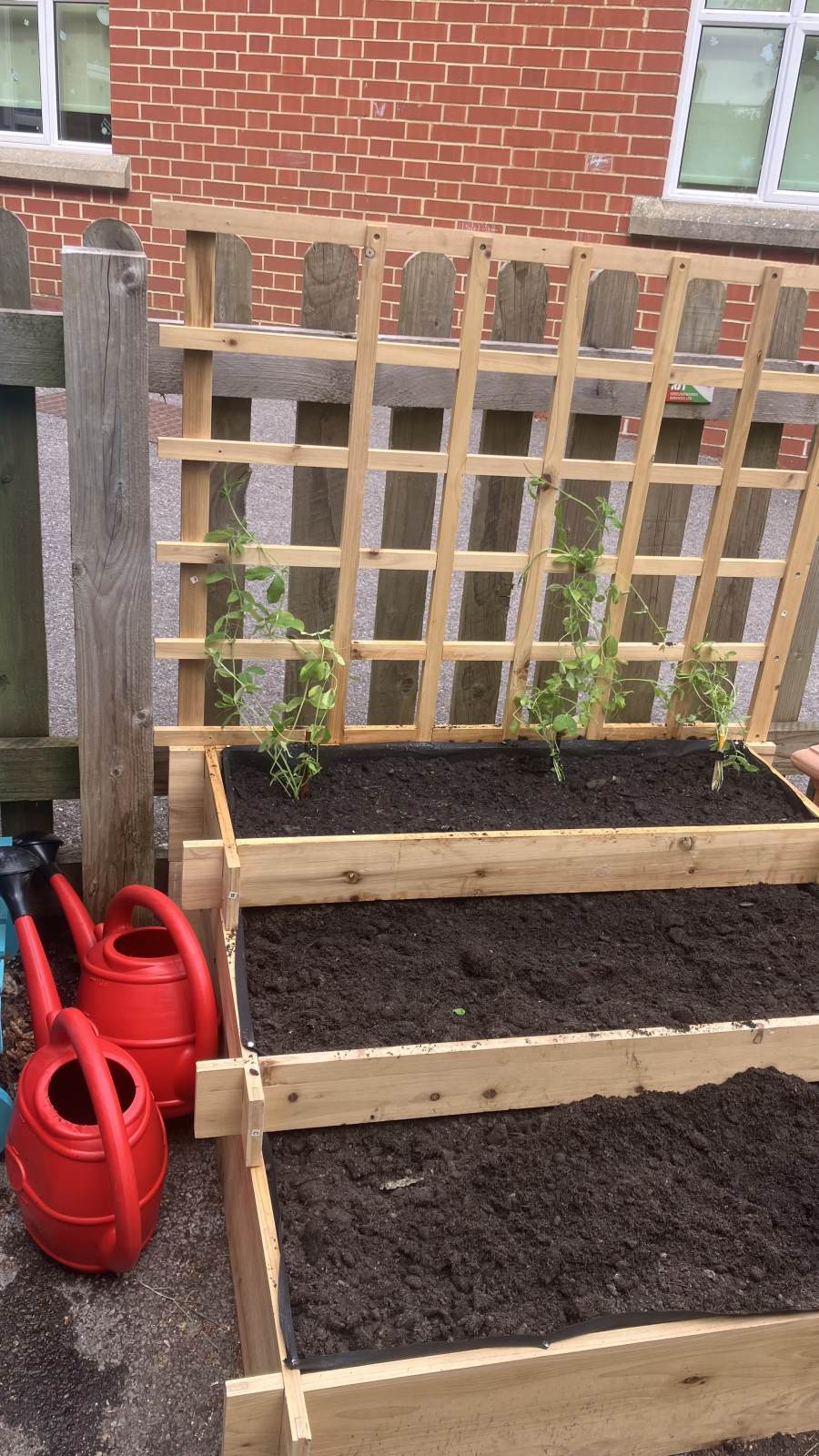
Important ways we improve our sustainability include:
Reducing our consumption of things to cut down on energy use and avoid waste
Reducing or avoiding the use of unsustainable products including single-use plastics such as glue sticks and bin-liners
Reducing energy use - specifically to reduce our use and waste of non-renewable energy sources
Reuse – we make the most of all the resources we have in school
Recycling any waste as much as possible
Composting organic matter and sending food waste to be bio-degraded
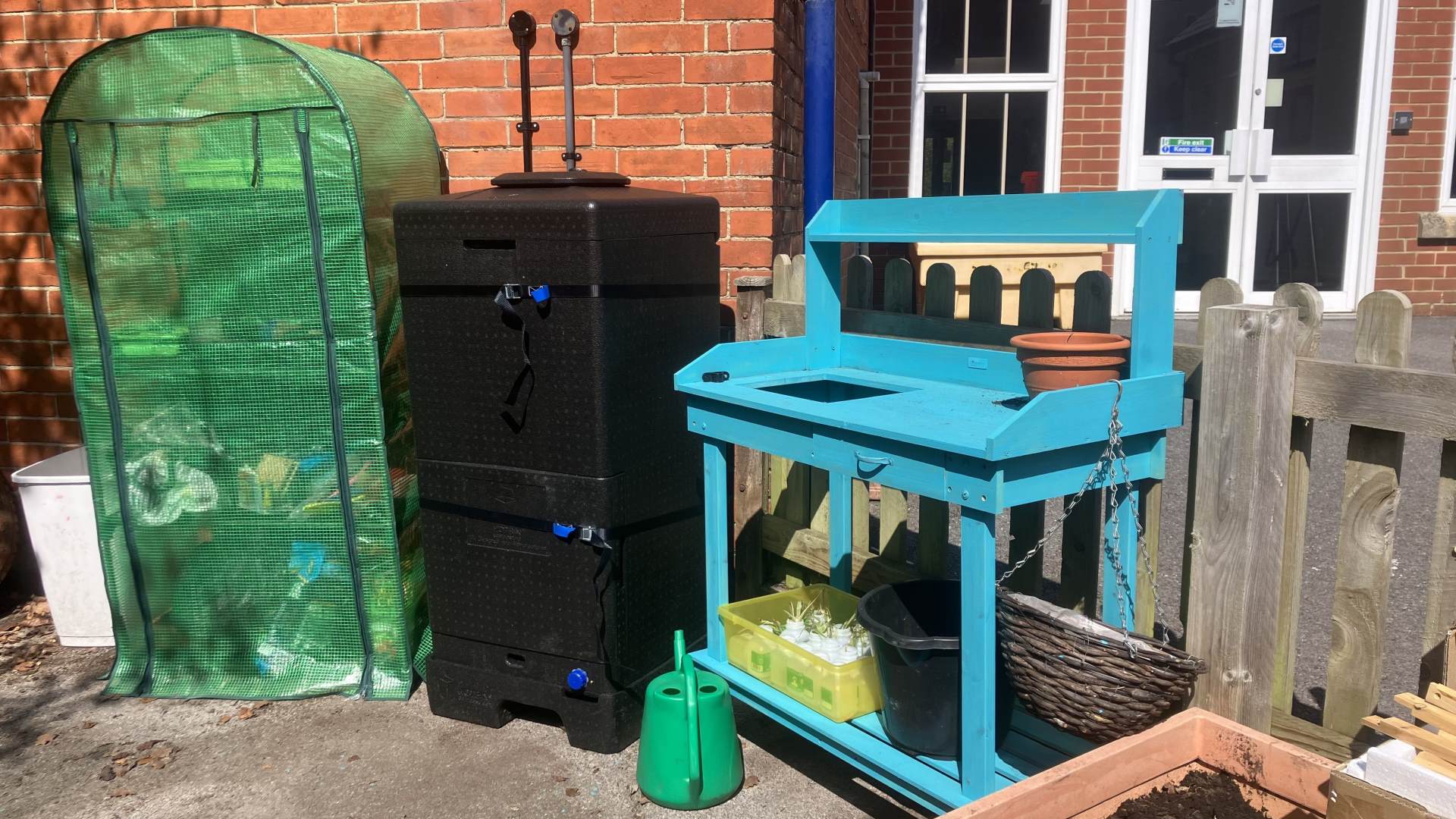
The school works really hard to improve our sustainability and reduce our impact on the planet. We already do a lot of recycling and our Eco-Warriors are hot on reminding us to switch off lights, not drop litter and save water.
Other ways that we improve our sustainability:
Solar panels:
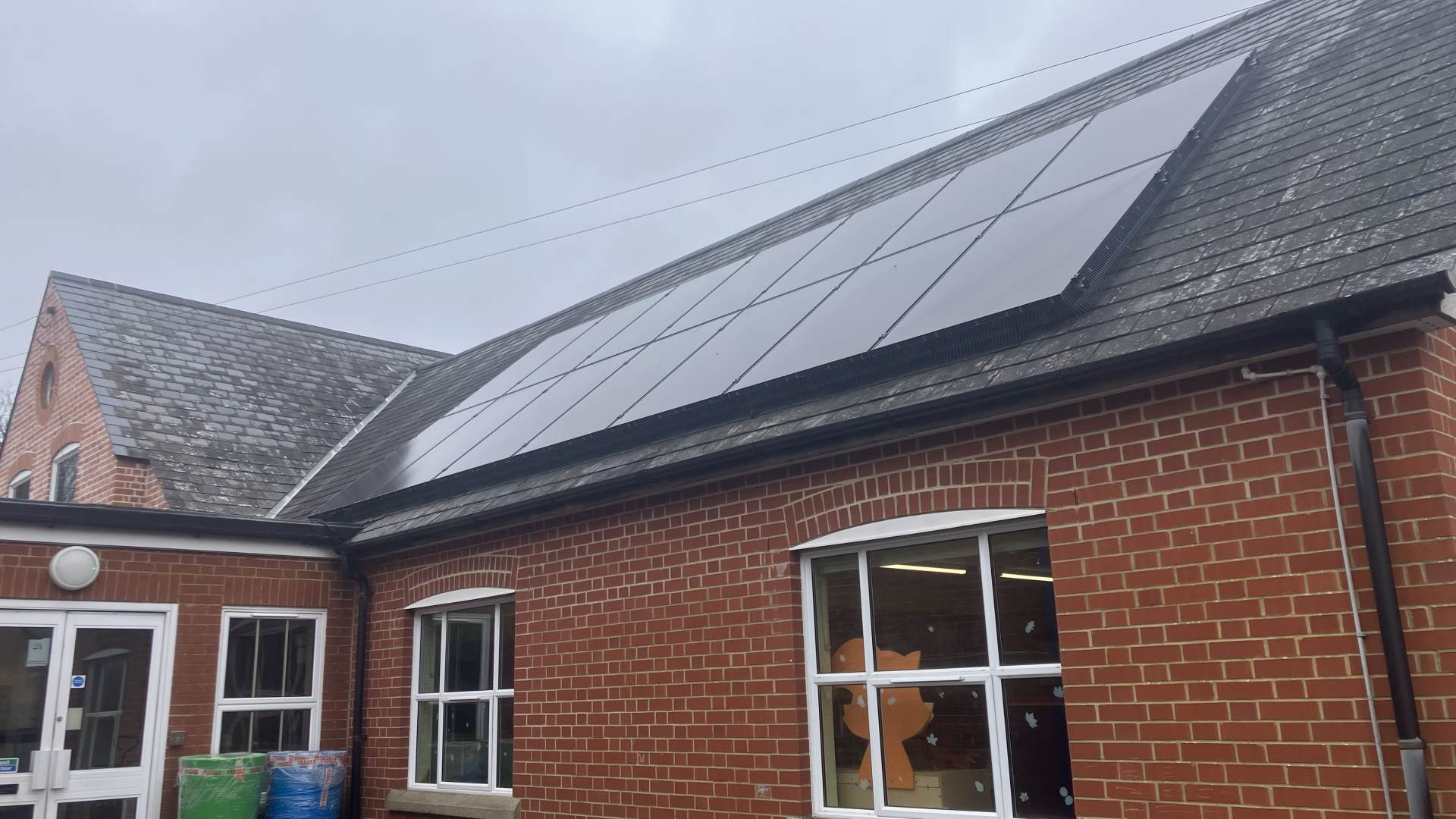
This year we have had solar panels put on three of our roofs – you can see them from the car park and top playground – and on a sunny day in April they are currently generating 50-66% of our electricity! We send surplus energy to the national grid which also generate some income to help offset our energy use.
The graph above also shows that about 20% of the energy the panels produce goes into the national grid because at some times of the day we’re generating more than we can use.
Wildlife area:
Biodiversity across the planet is declining due to our impact on the environment and climate change. We continually look for ways to increase and improve the areas of school where plants can grow to enhance the biodiversity of the site.
We are developing the grassy area at the end of the school into a wildlife area with the help of a grant from Wessex Water Foundation Environment Fund
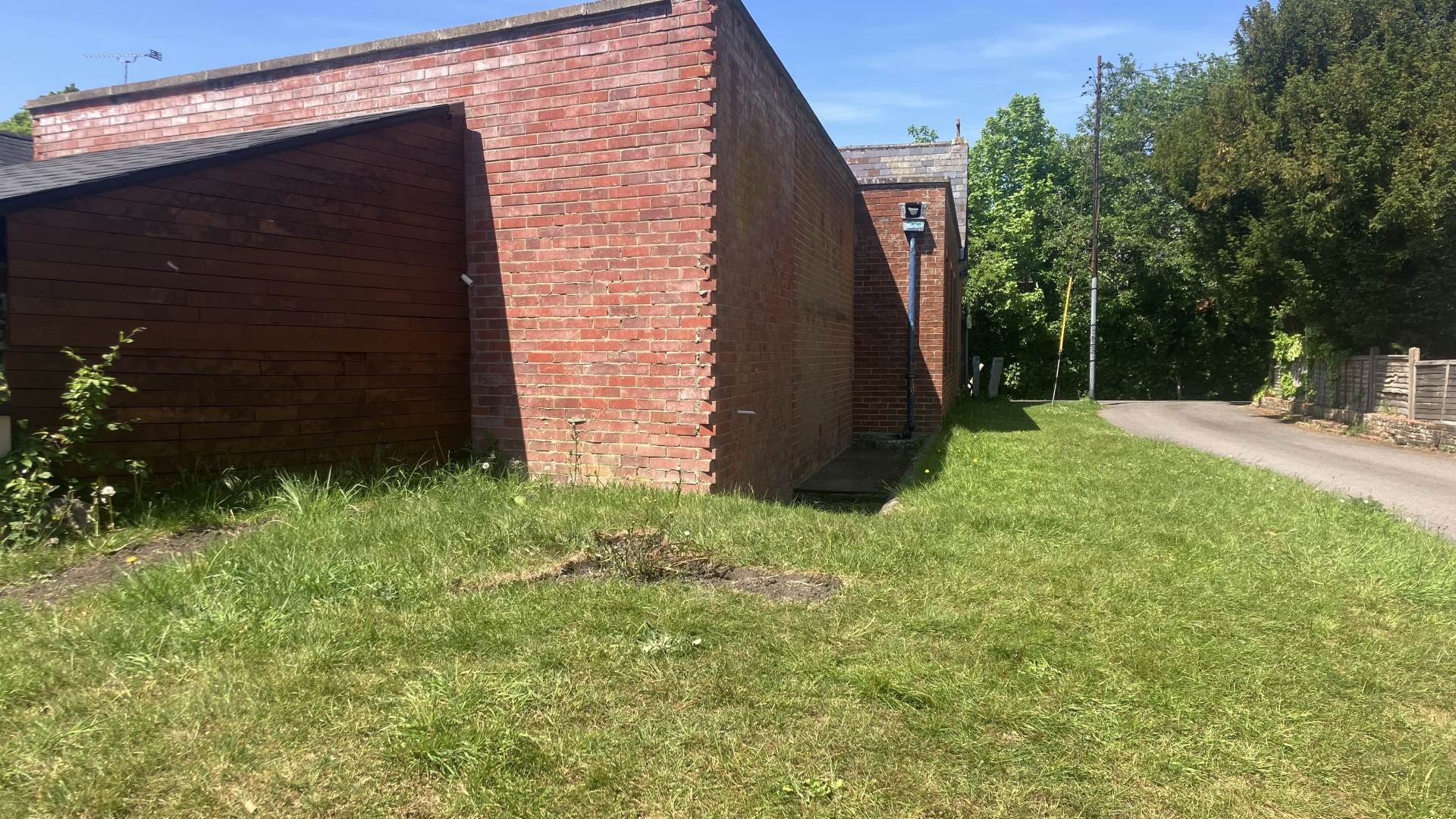
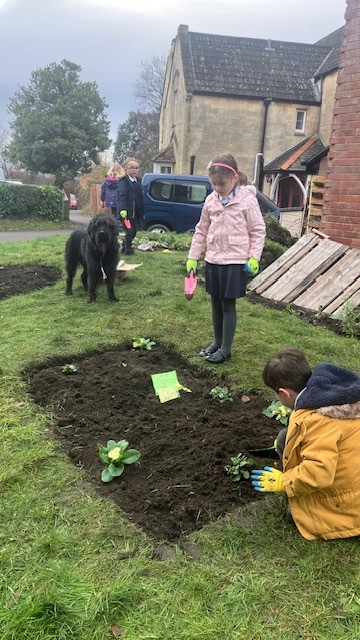
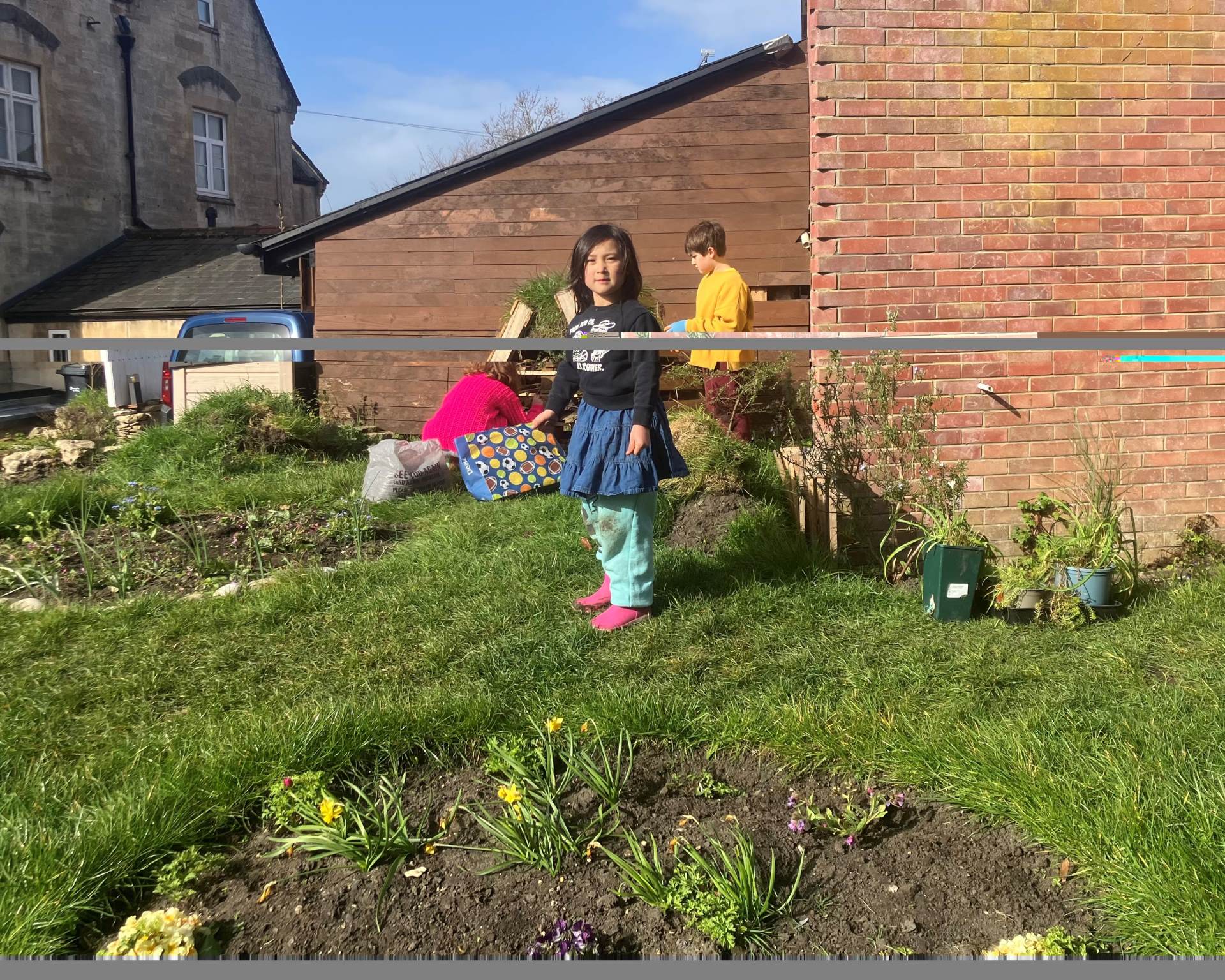
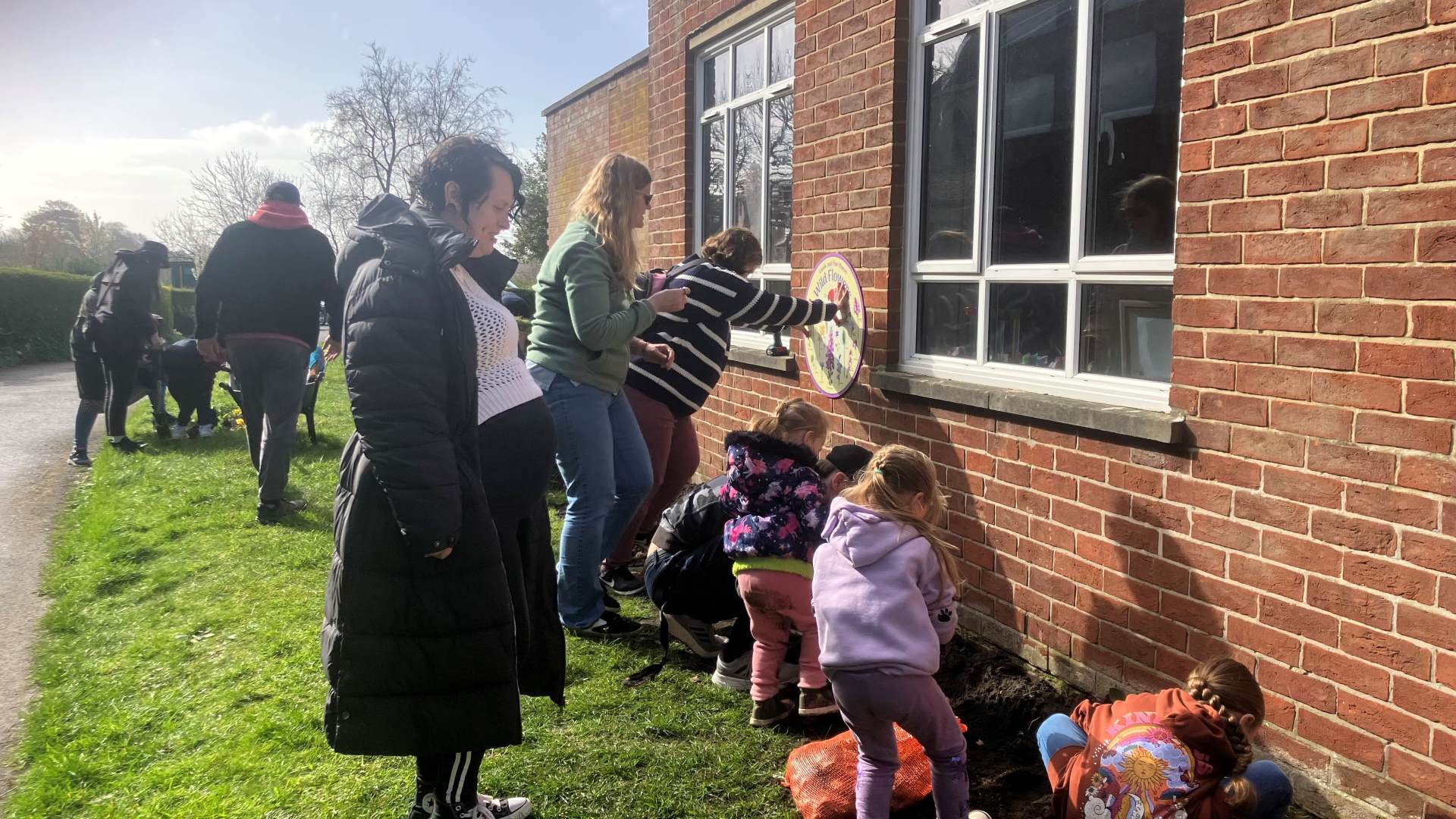
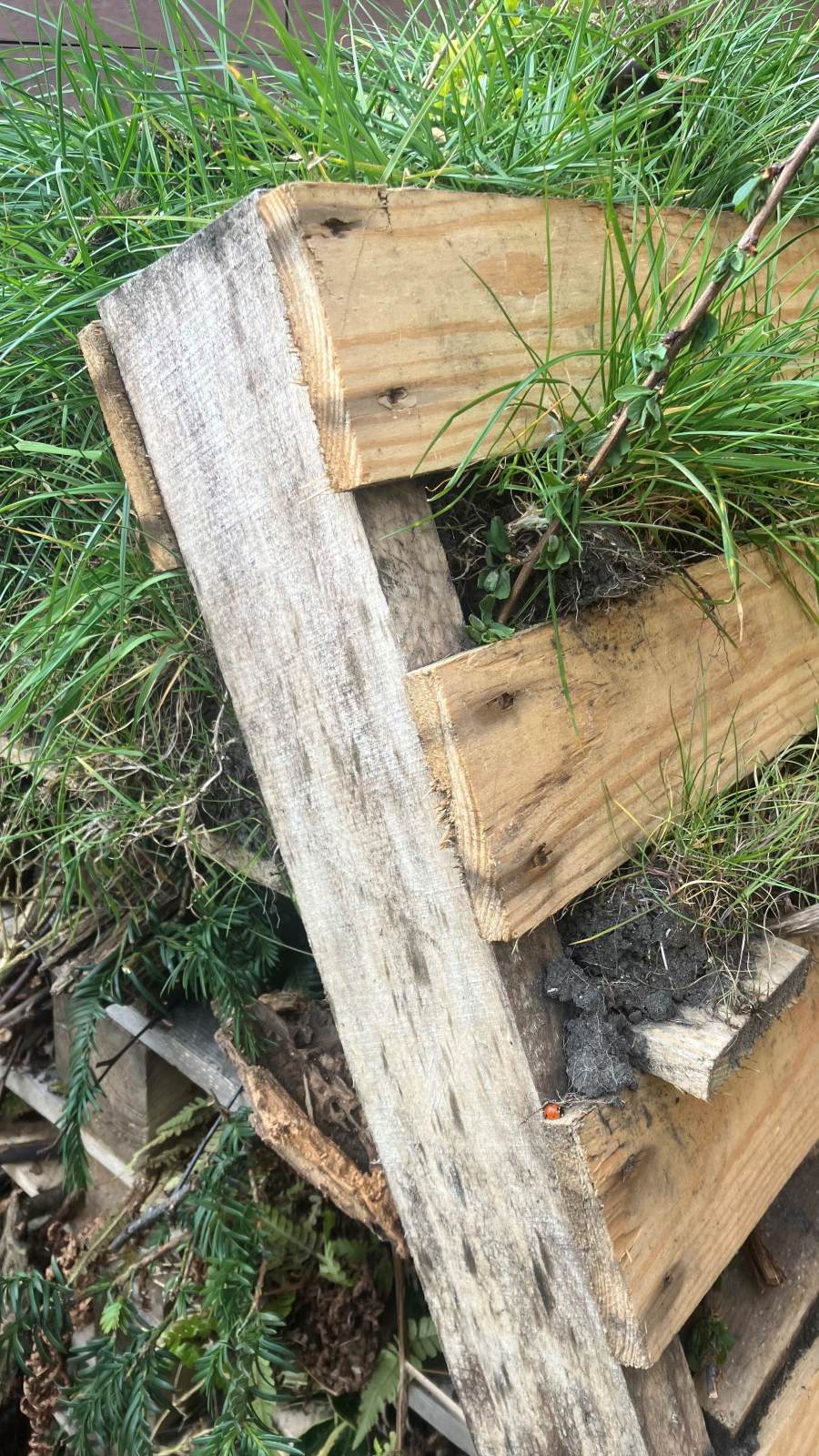
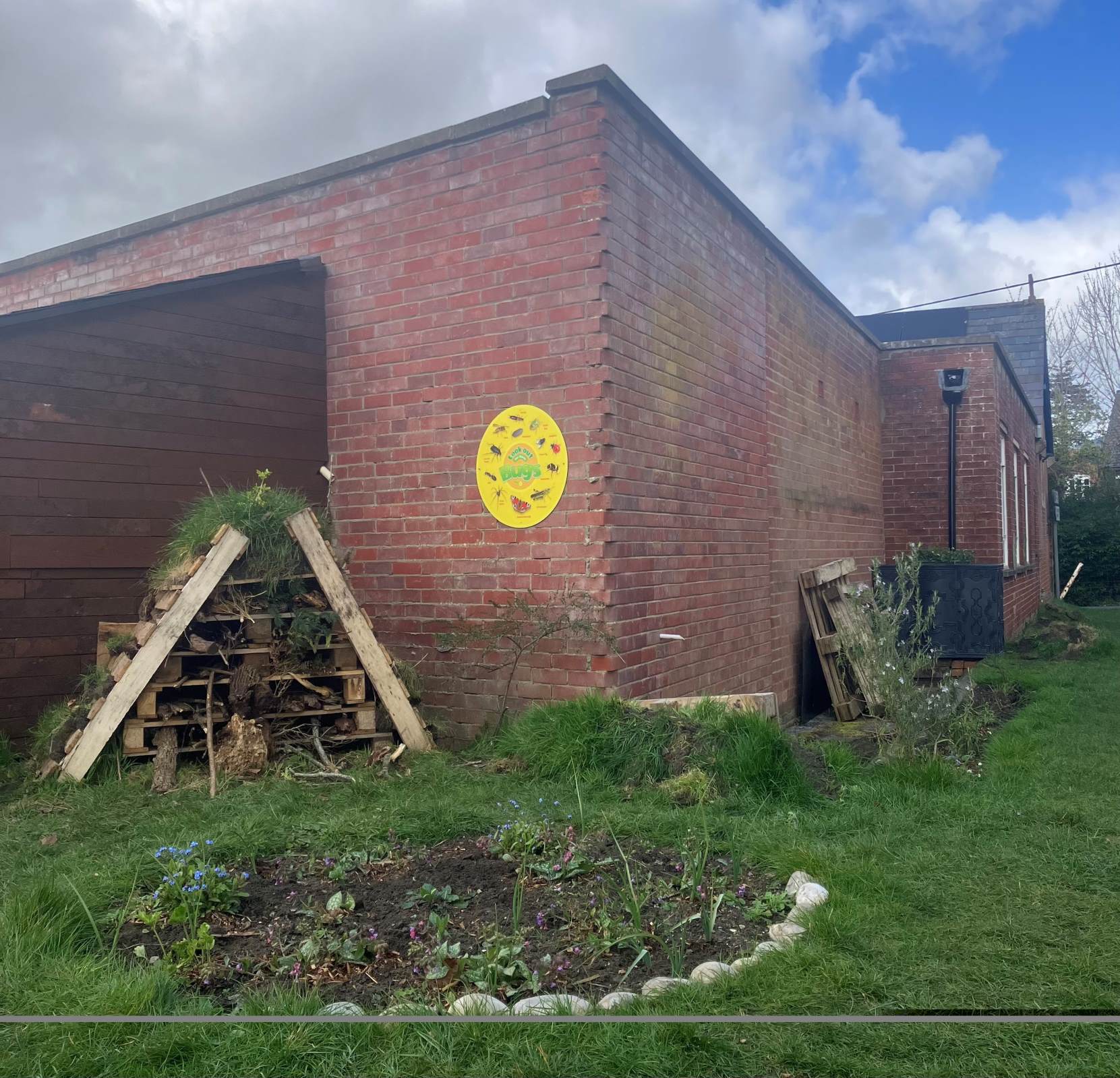
So far, we have dug some flower beds, made some beetle banks and made the structure of a bug hotel. The pupils have helped plant bulbs, flowers and plants that will flower later in the year, and classes have got lots of plans to stuff the bug hotel with materials, make log-pile habitats, a hedge-hog house and sow wildflower seeds in the spring. Townsends Garden Centre have very generously donated lots of wildflower seeds for the new site.
Wildlife area February 2026
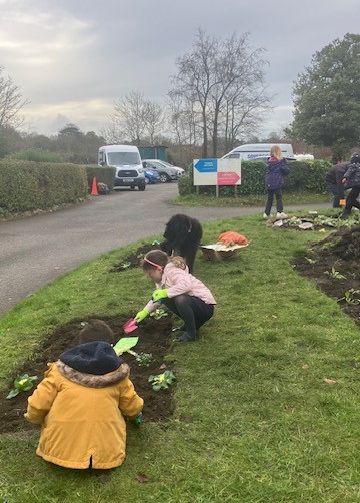
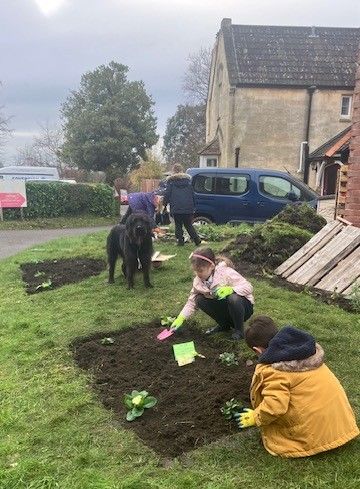
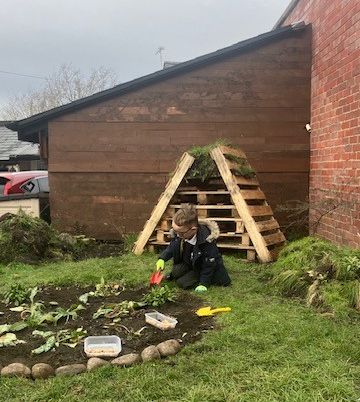
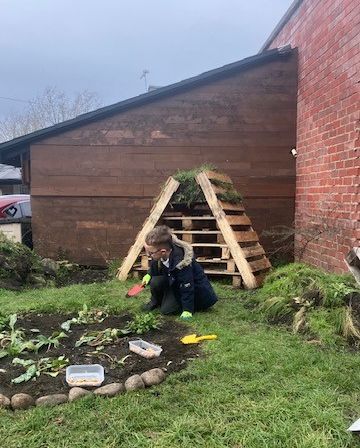
Wildlife area March 26
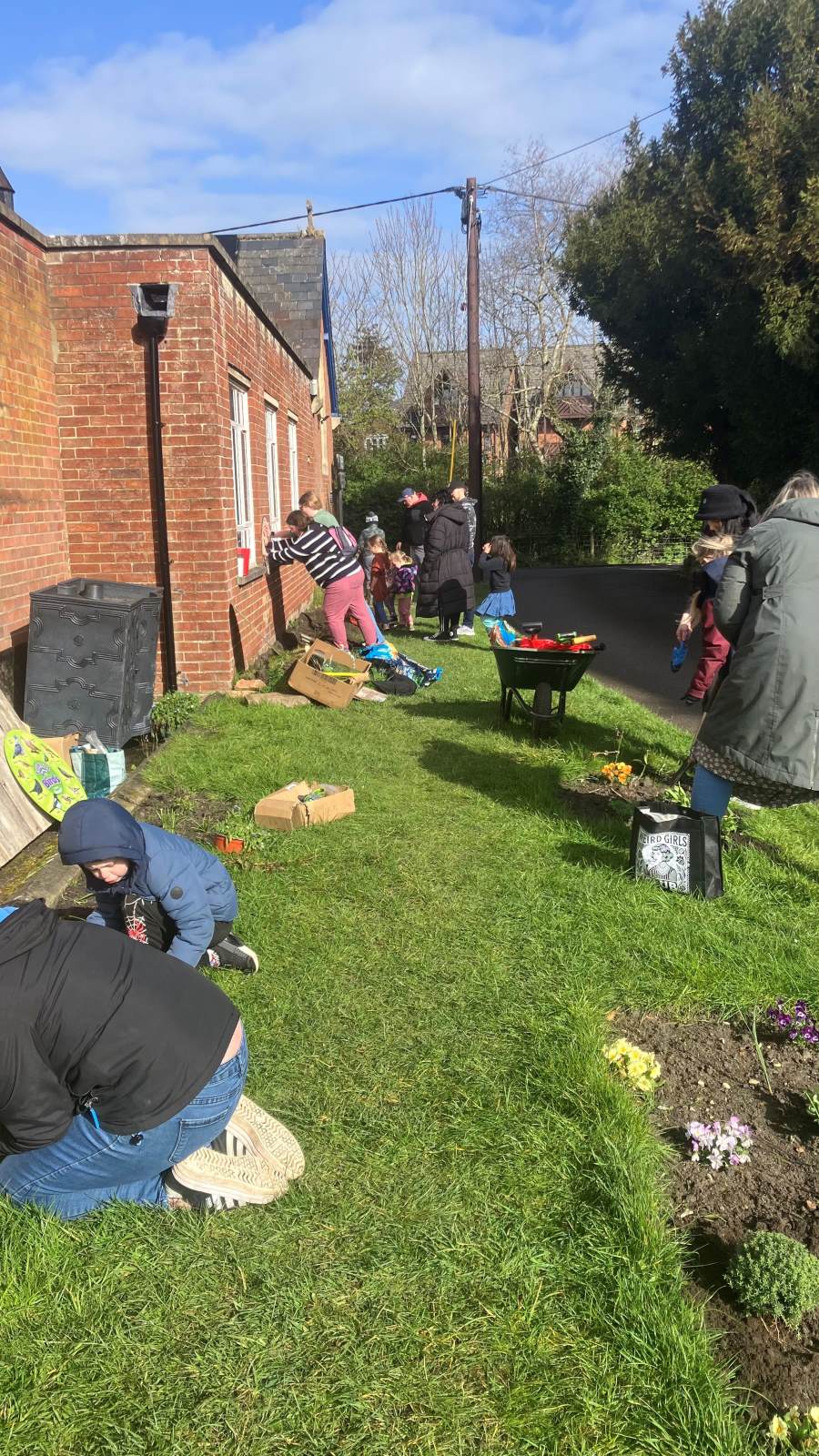
Water harvesting:
Surprisingly perhaps, within a decade or two, the water available for our use is going to be in very short supply, not just in this country but across most parts of the planet. We know that it is important to save water and capture some rainfall where we can to make better use of it and are working to improve this in school.
Look out for the colourful water-butts and other water-harvesting containers being installed around the site (provided by the Wessex Water Foundation Environment Fund).
Climate Action Plan
Every school in the UK now needs to have a Climate Action Plan in place which sets out how they are intending to improve their sustainability and reduce their impact on the planet and climate change. We will shortly be adding a link to ours here.
Part of our plan is to inform our parents/carers and the wider local community of our actions, provide information on how everyone can do their bit and involve them as much as possible.
You may have seen our lovely new school notice board at the end of school building near to the wildlife area where we will tell you about our sustainability action. We also have new wildlife signs up to help children and visitors identify what they might see there.
Our notice boards will let you know more about activities the pupils and school are doing towards our Climate Action Plan commitments.

